EN
Jersey fabrics are a versatile and popular choice in the textile industry, especially for wholesale clothing and commercial applications. With various jersey types available, each offering unique characteristics and benefits, it’s crucial for B2B buyers to understand their options. This article will guide purchasing managers and distributors through selecting the right jersey type, considering specifications, identifying quality indicators, troubleshooting common issues, and providing installation guidance for commercial projects.
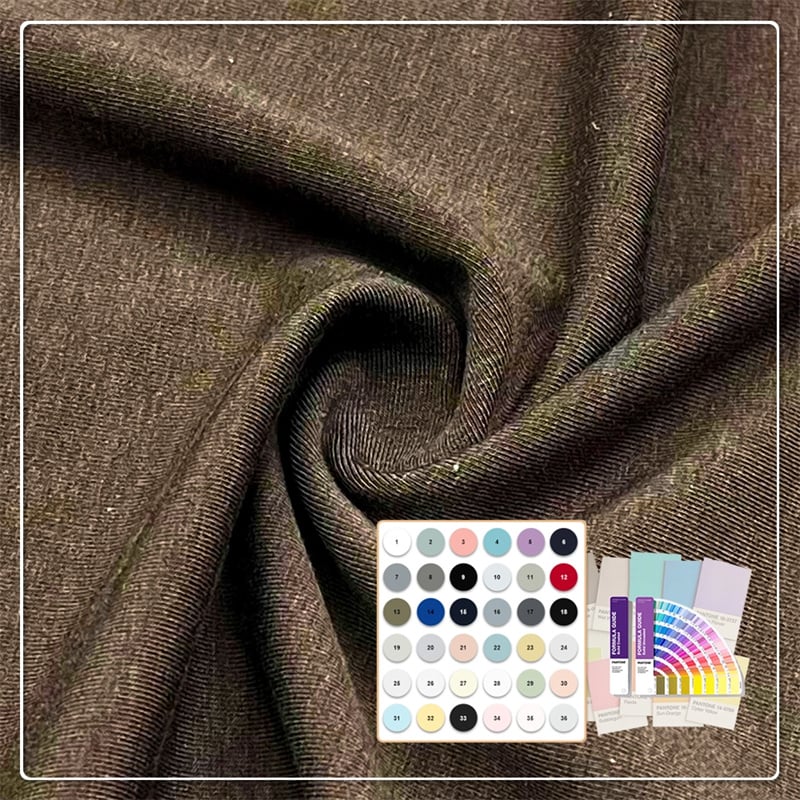
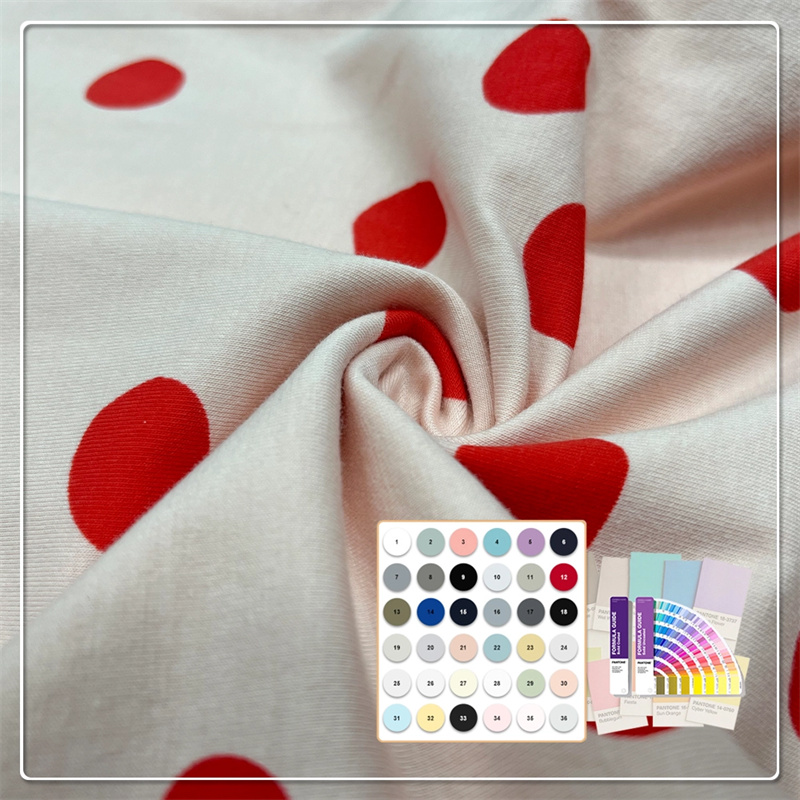
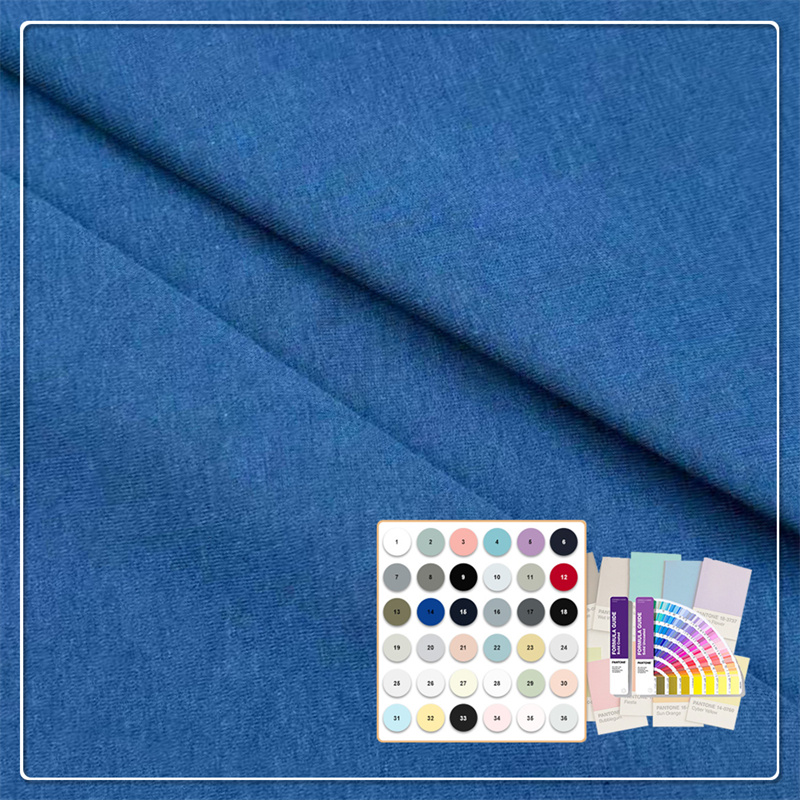
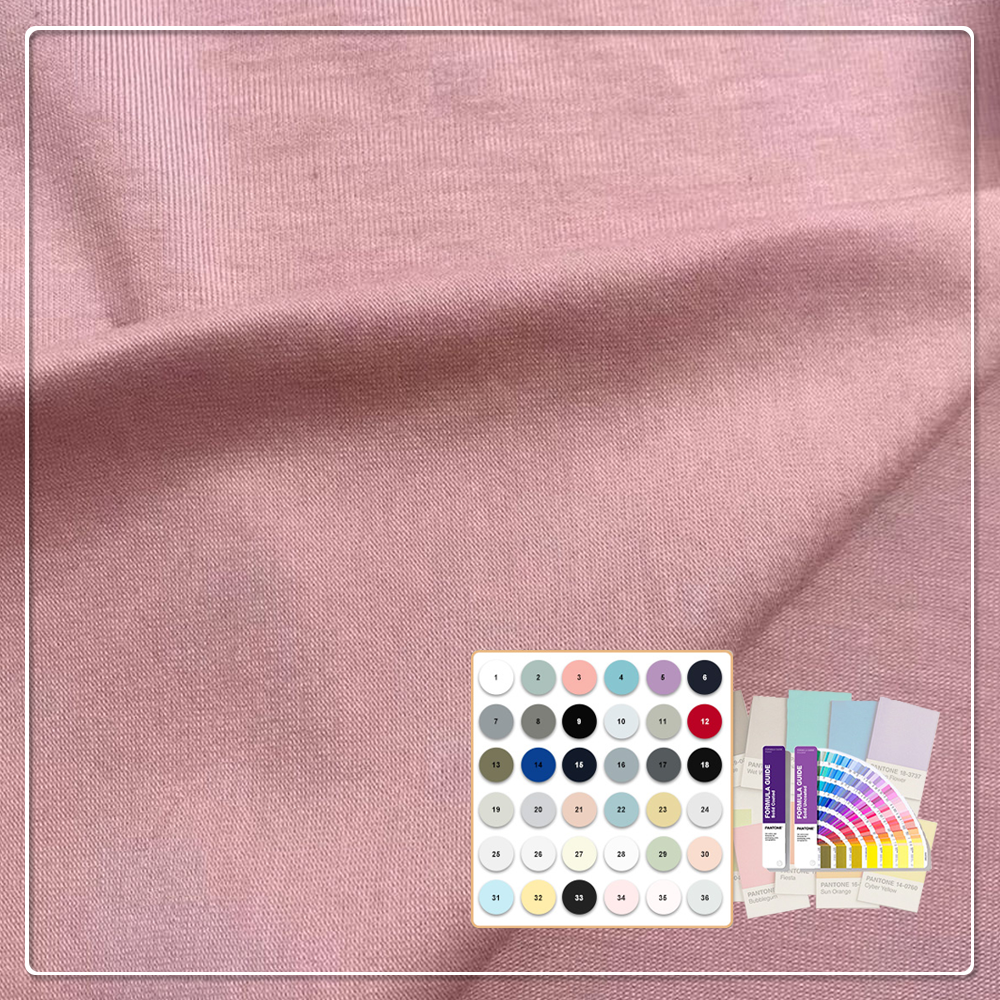




Specificatio quae considerandae sunt cum vestes jersey pro proiectis emuntur
When sourcing jersey fabrics, several specifications must be carefully evaluated to ensure that the material meets project requirements. Key factors include:
Pondus et Crassitudo weight: The weight of the fabric, measured in grams per square meter (GSM), affects its drape and durability. Lighter jerseys (around 150–180 GSM) are suitable for summer wear, while heavier options (200–250 GSM) are better for cooler climates.
Extensibilitas : A fabric’s stretch is determined by its composition and knit structure. Spandex blends can provide enhanced elasticity, making the fabric ideal for activewear or fitted garments.
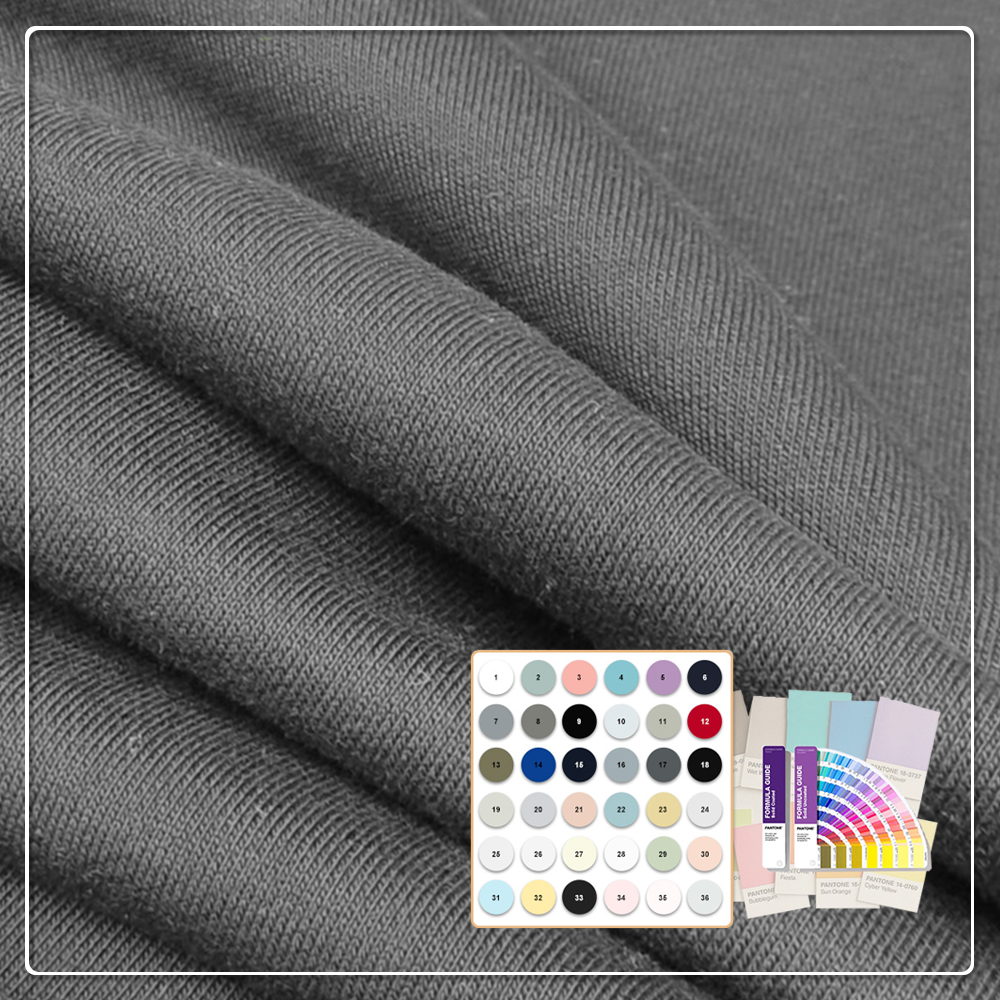
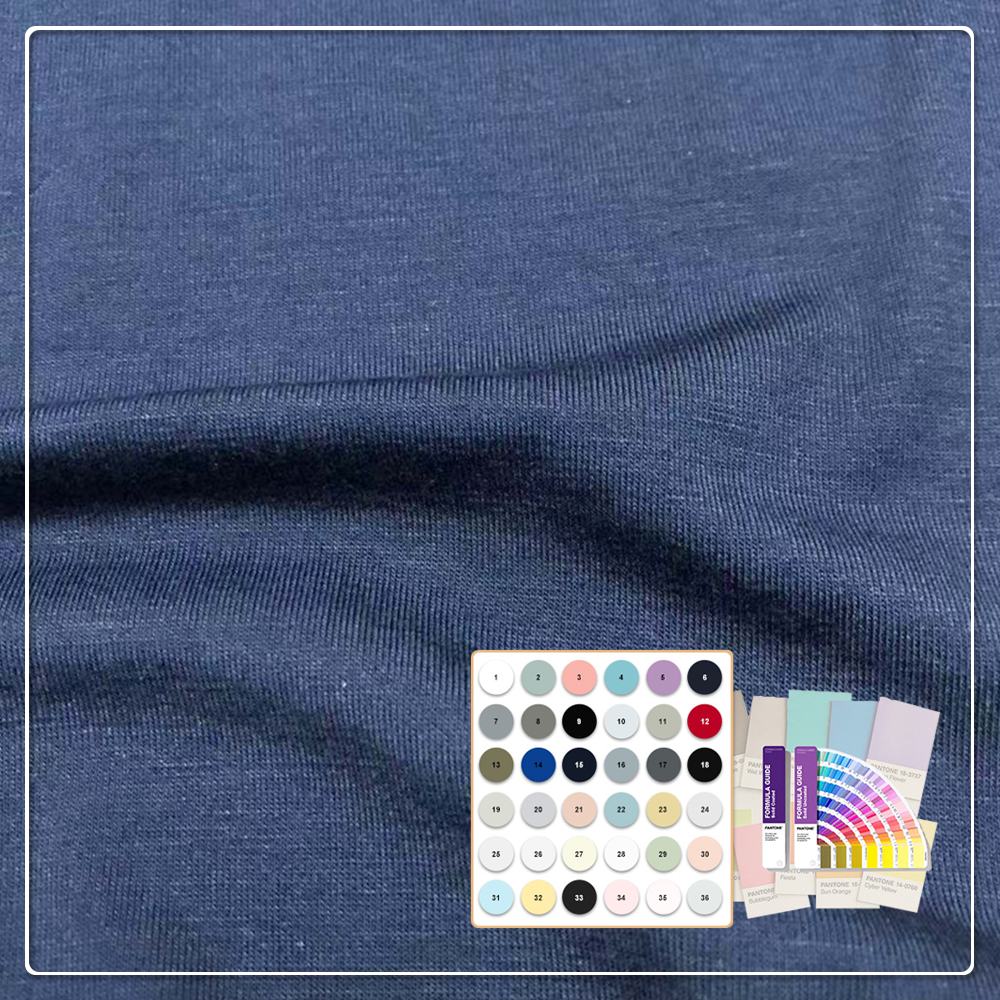
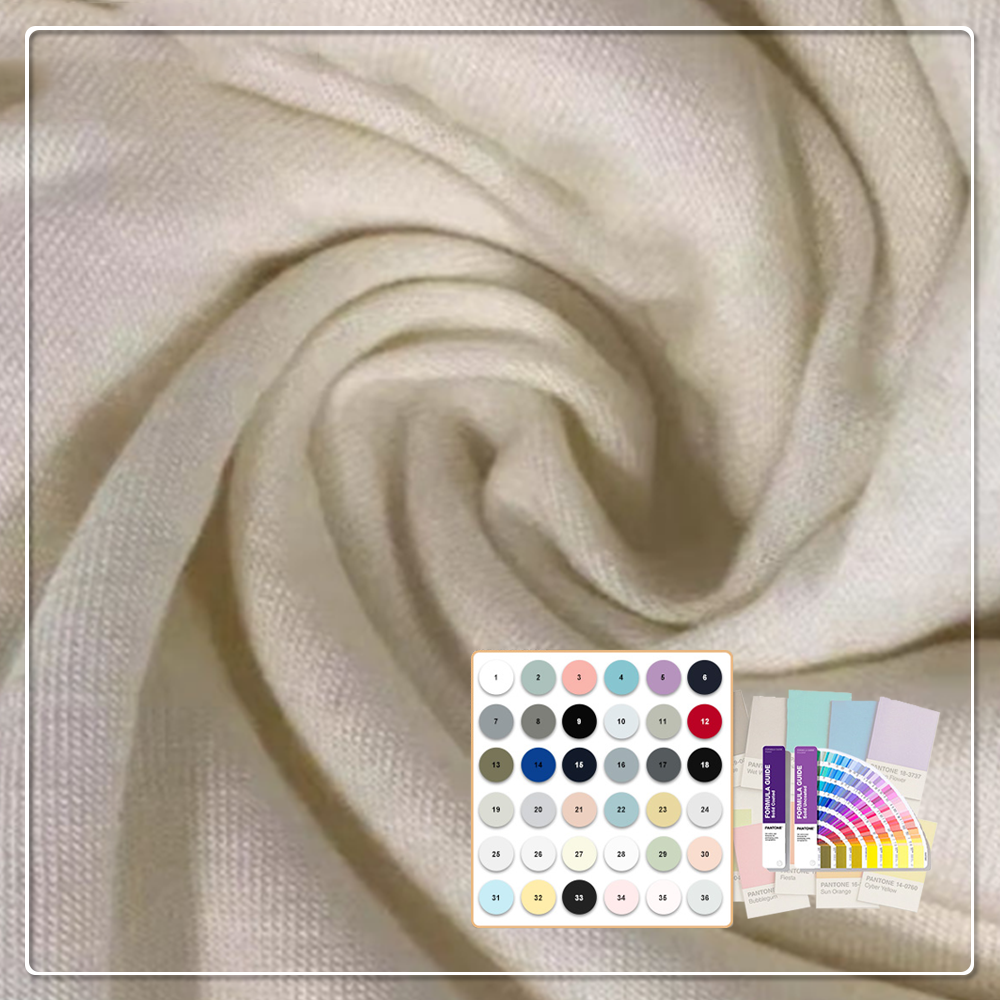
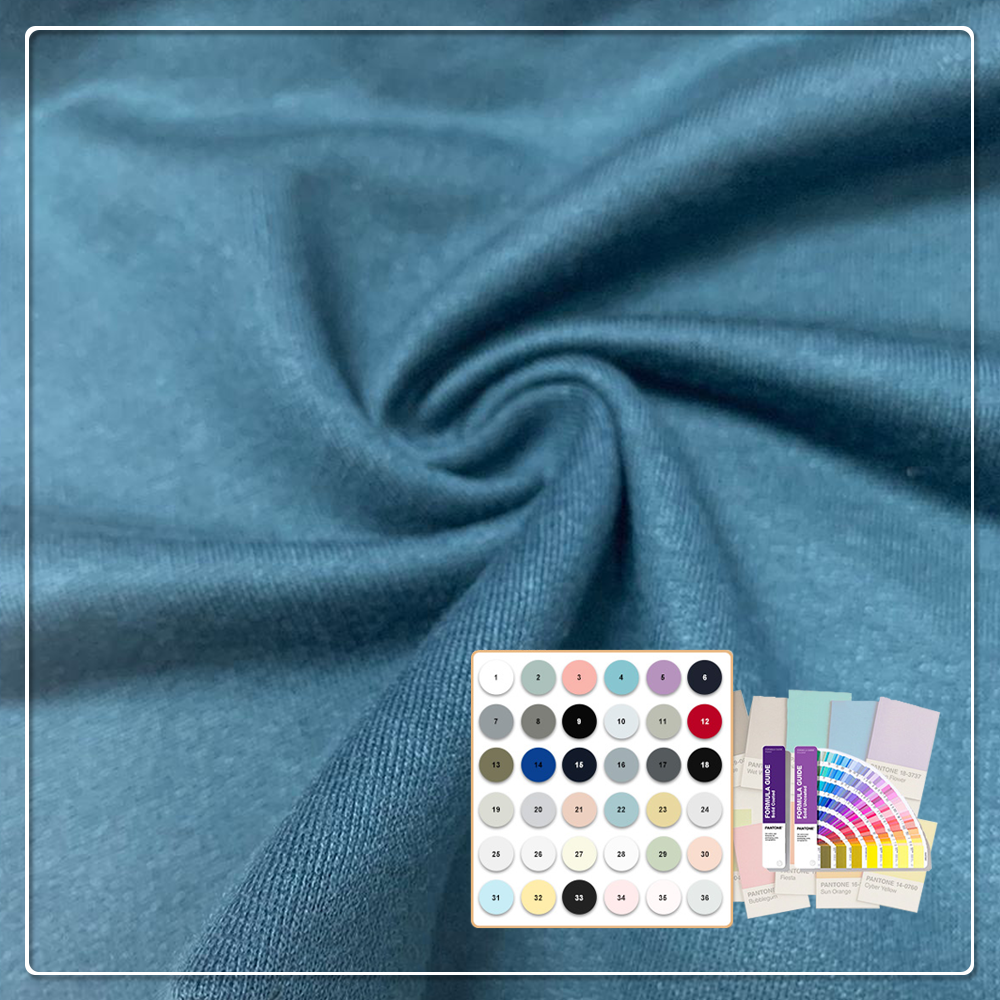
Coloris firmitas : The ability of fabric to retain color through washing and exposure to sunlight is crucial for maintaining product quality. Our textilis bambusae organica exhibit color fastness levels of 4–5, ensuring long-lasting vibrancy.
Contractio : Understanding shrinkage rates is essential for sizing accuracy. Our fabrics typically have a shrinkage rate below 5%, allowing for better fit post-wash.
By focusing on these specifications, buyers can better align their sourcing decisions with the end-use applications of their products.