 EN
Lyocell is a sustainable fabric derived from wood pulp, often celebrated for its softness, breathability, and moisture-wicking properties. As B2B buyers in the textile industry, evaluating supplier reliability and understanding the nuances of lyocell sourcing is crucial for making informed purchasing decisions. This officina textilis bambusina This article will address key considerations when sourcing leo cell fabrics, including specifications, cost factors, supplier reliability, and common challenges, helping buyers navigate the complexities of procurement effectively.
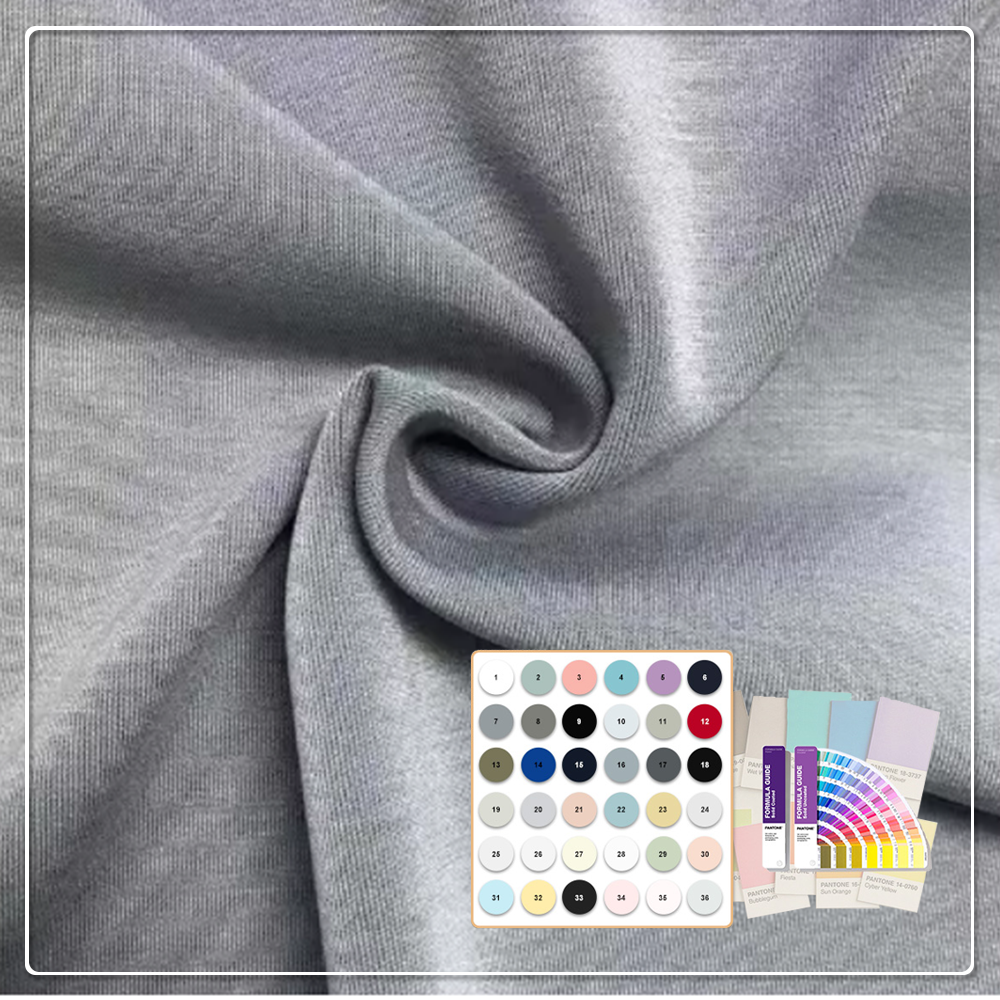
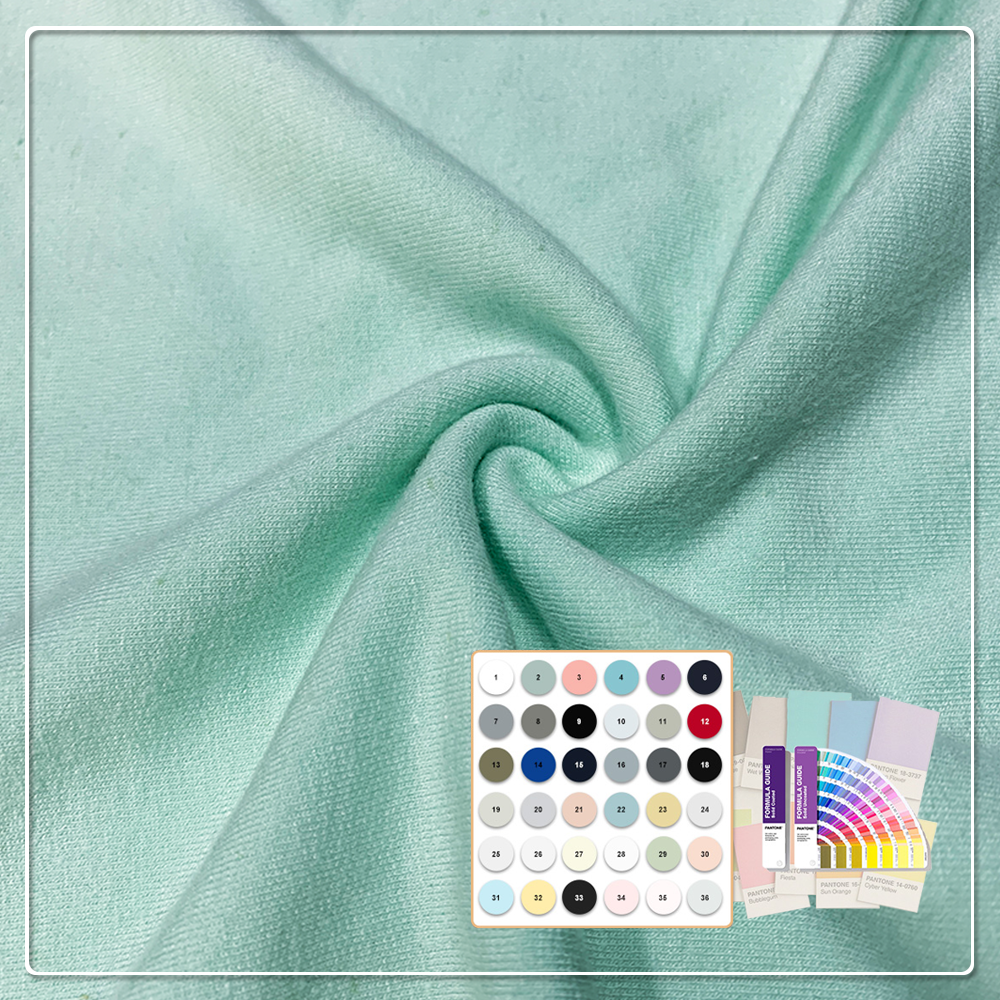
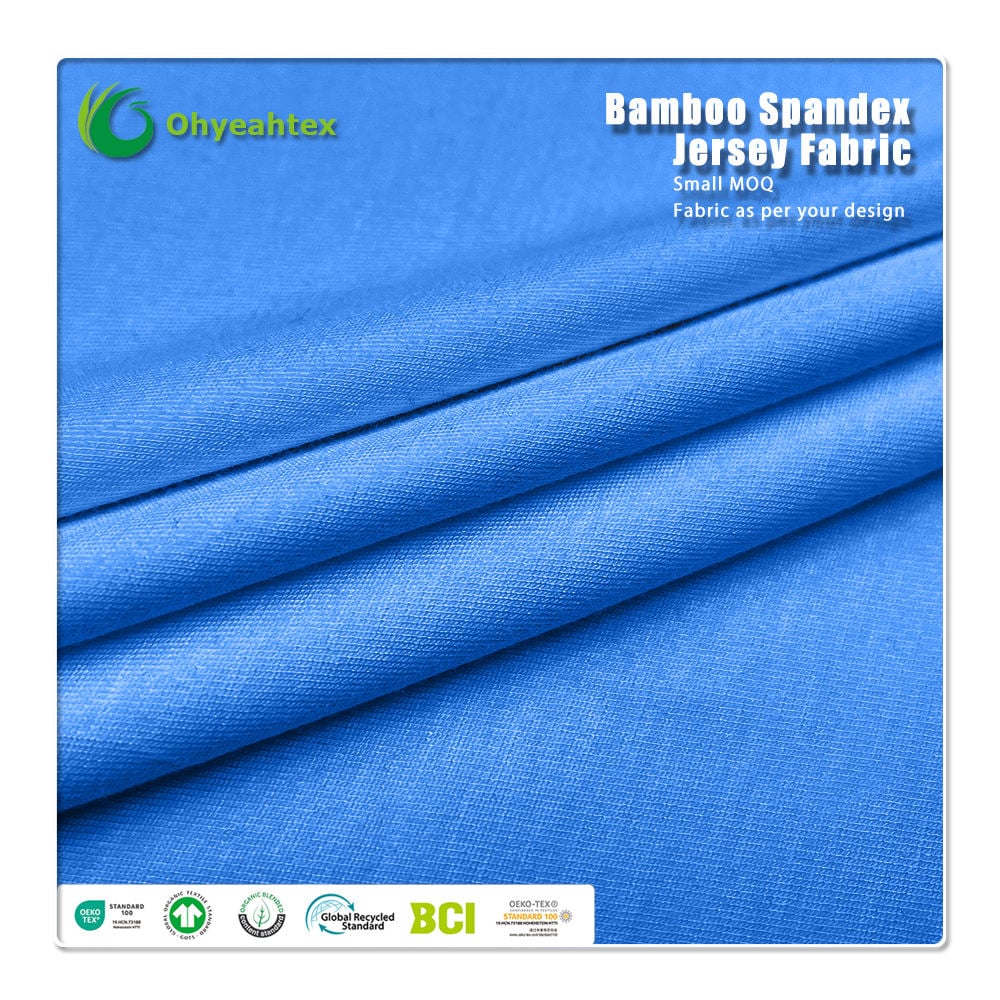
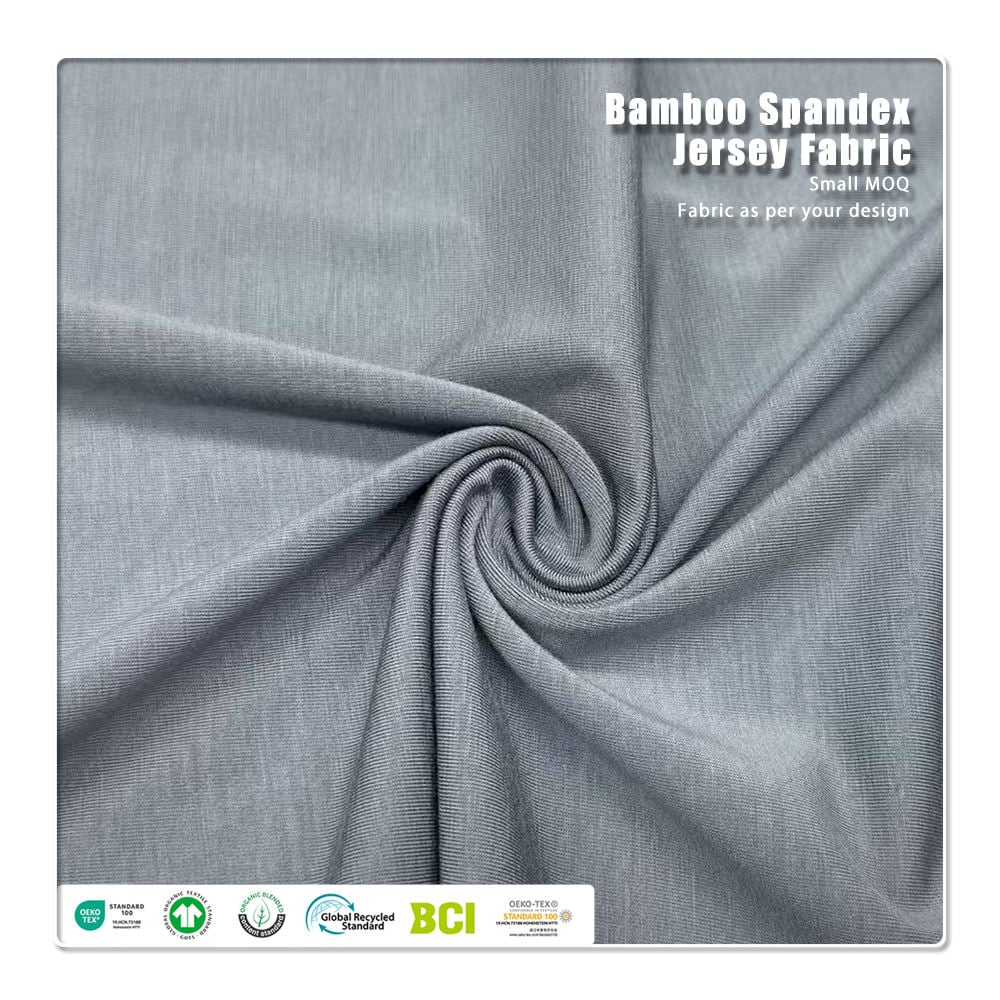
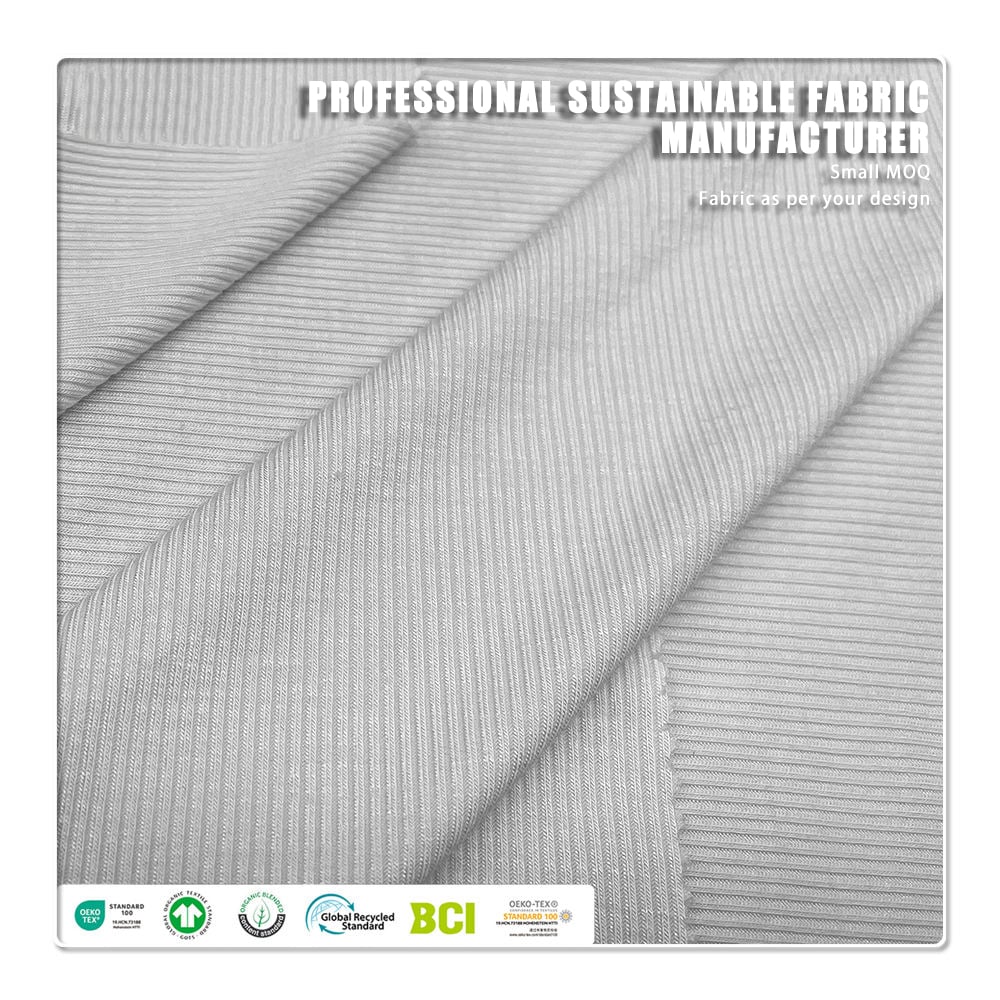
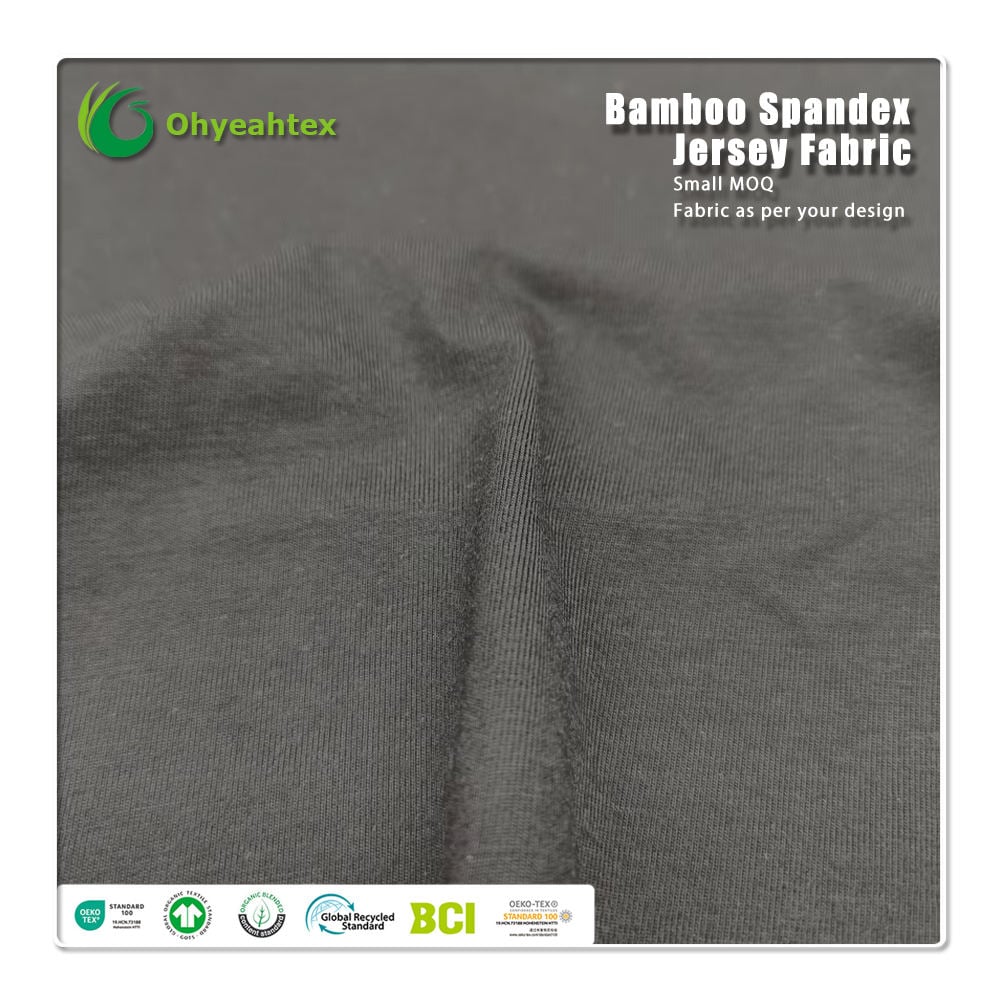
Key Specifications for High-Quality Lyocell Products
High-quality leo cell fabrics are characterized by specific technical parameters. Key specifications to consider include:
Compositio Fibrae Sustainable fiber source: Ensure that the leo cell is produced from sustainably sourced wood pulp, such as beech or eucalyptus. The source impacts both the environmental footprint and the fabric's performance.
Robur Tensile : Haec mercatores textilis bambusi Tensile strength: Leo cell fabric's resistance to breaking under tension. A high tensile strength is essential for durability, especially in applications requiring frequent use or washing.
Recuperatio Umiditatis Moisture regain: Leo cell naturally absorbs moisture, making it comfortable to wear. Look for products with a moisture regain of 11–13%, as this range indicates optimal breathability and comfort.
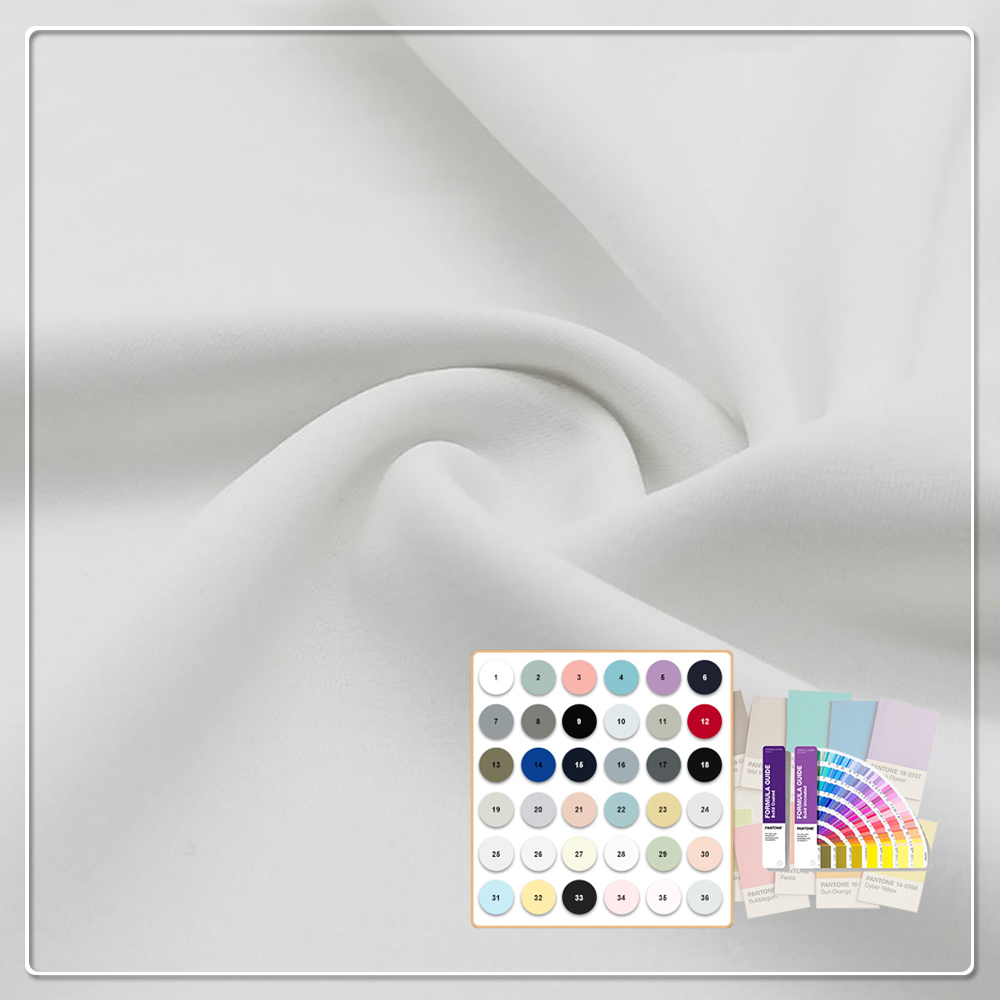
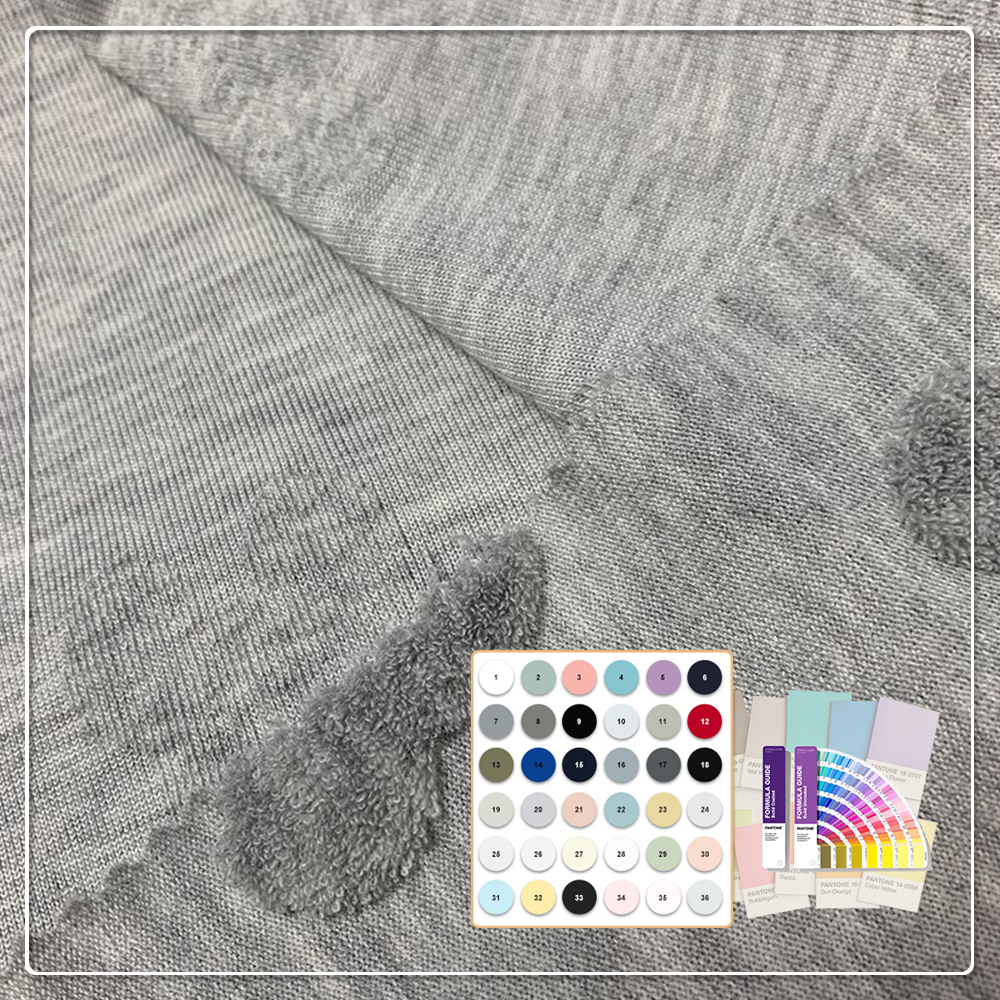
Coloris firmitas : The evaluate supplier reliability ability of the fabric to retain color during washing and exposure to light is crucial. Aim for a color fastness rating of 4–5 to ensure longevity.
Understanding these specifications will help buyers assess the suitability of Leo Cell fabrics for their specific applications and ensure they meet quality standards.