EN
Sourcing organic cotton can be a pivotal decision for businesses looking to enhance their sustainability efforts and meet consumer demand for eco-friendly products. Organic cotton is grown without harmful pesticides or synthetic fertilizers, making it a more environmentally responsible choice. However, buyers often face concerns regarding quality, sourcing reliability, and application suitability. This article will guide you through the essential considerations when sourcing Ohyeah textilis organicus ex cotone lycra , describing specifications, common issues, and its applications in sustainable manufacturing.

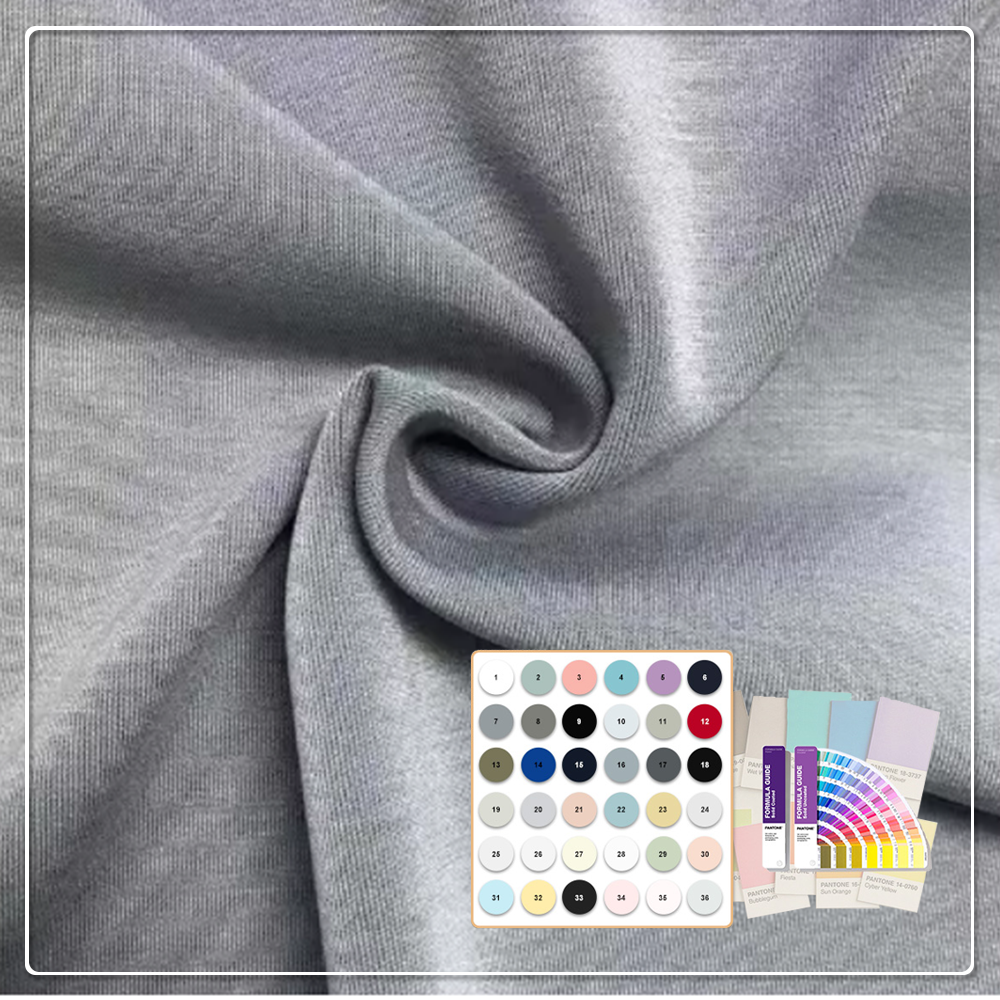







Key Specifications to Evaluate in Organic Cotton Fabrics
Evaluating specifications is crucial in ensuring that the organic cotton you choose meets your product requirements. Key specifications include fabric weight, thread count, and color fastness.
Fabricae pondus : This determines the durability and feel of the fabric. Lighter weights are suitable for summer clothing, while heavier weights are ideal for winter apparel. Buyers should specify their intended application when discussing fabric weight with suppliers.
Post comiti : A higher thread count typically indicates a denser and softer fabric. However, it’s essential to balance thread count with the intended use of the fabric. For example, a higher thread count may be desirable for luxury items, while a lower count might suffice for basic applications.
Coloris firmitas : Hoc ad resistentiam textilis ad evanescendum vel effluere in lavatione refert. Gradus acceptabilis pro cotone organico est inter 4 et 5, quod bonam durabilitatem indicat. Haec res maxime important est pro rebus qui saepe lavandi sunt, ut vestimenta puerorum.
Cum has specificaciones aestimatis, semper exemplaria postulare debetis ut textilis performantia sub condicionibus realibus agetur.