EN
Choosing the right organic fabric materials is crucial for B2B buyers looking to source eco-friendly textiles for their products. Organic fabrics, made from sustainable materials such as organic cotton, bamboo fabric, or recycled polyester, have gained popularity due to their environmental benefits and quality. Buyers are often concerned about the sourcing process, quality specifications, and potential challenges associated with these materials. This article will guide purchasing managers, distributors, and product managers through essential factors to consider when selecting textile organica materials for wholesale orders.
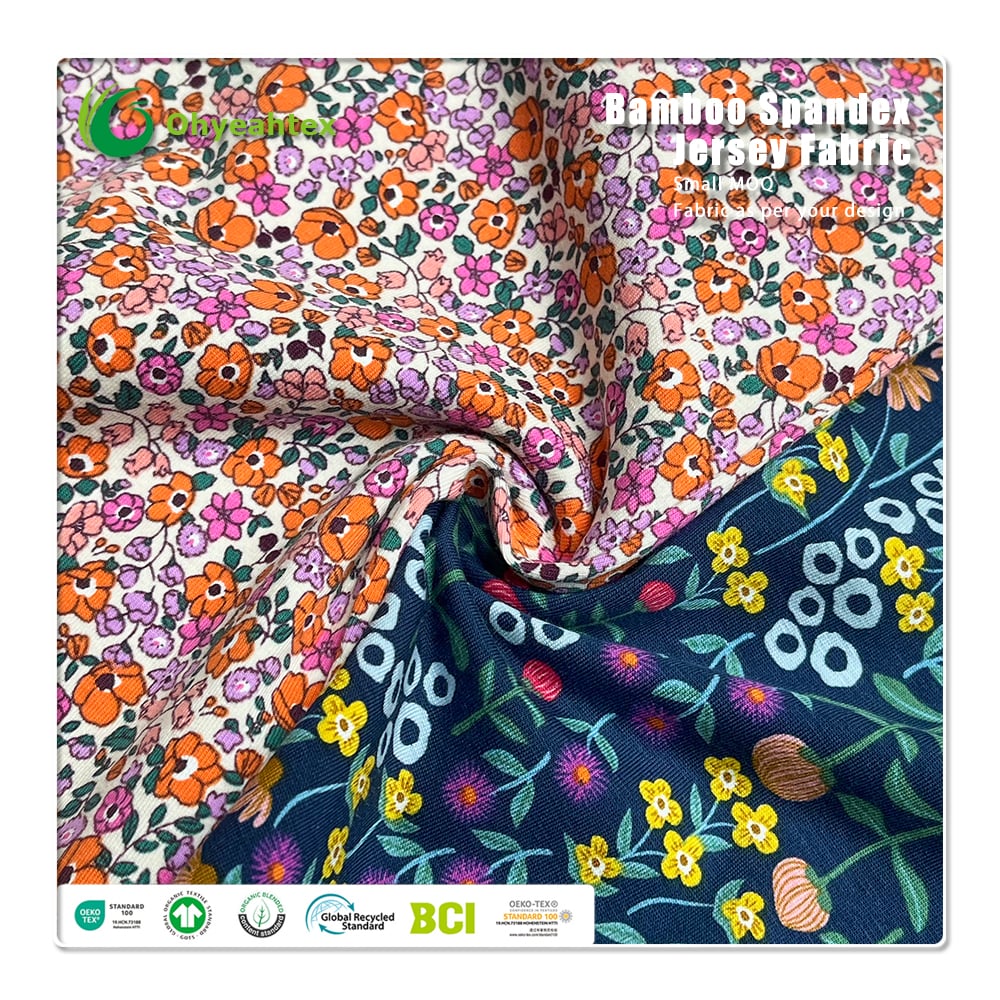
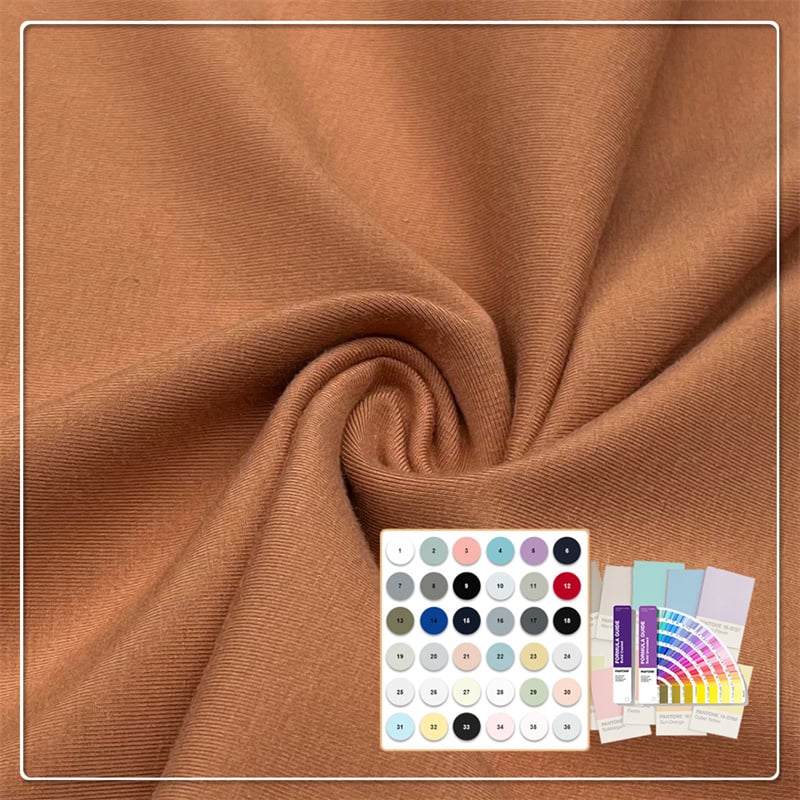
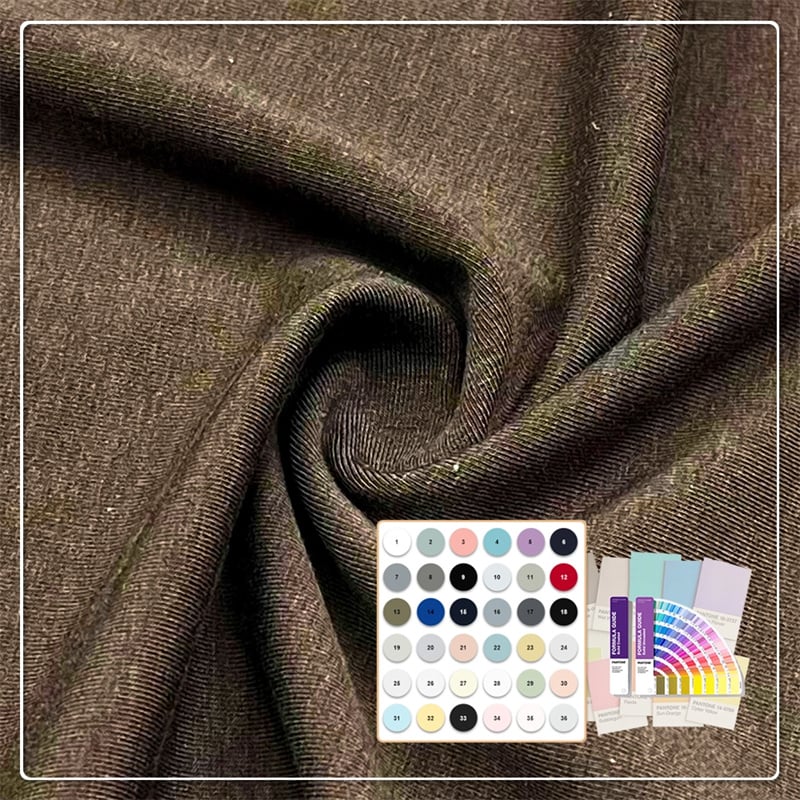
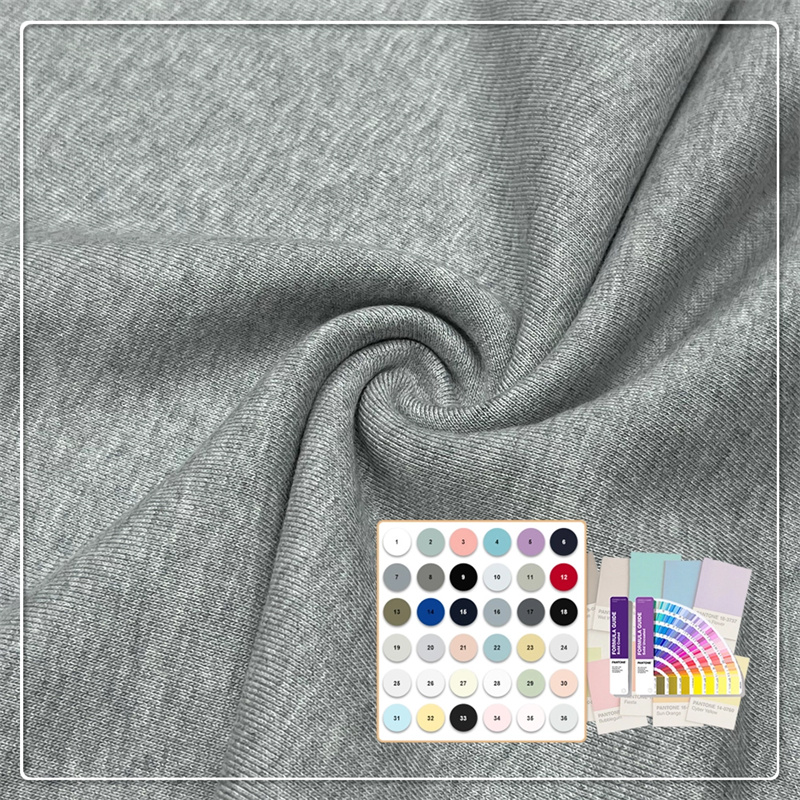
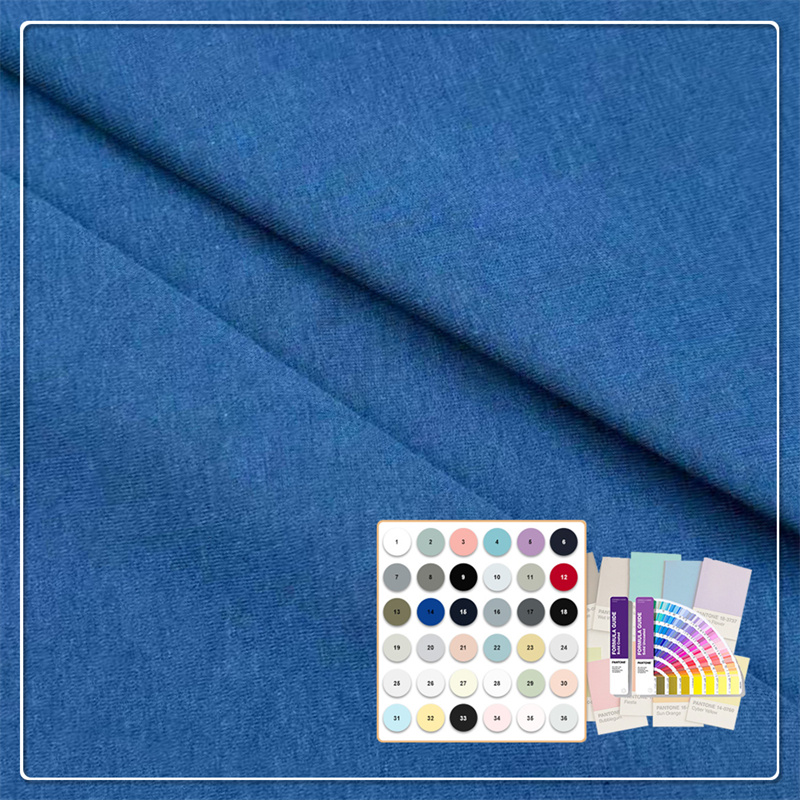
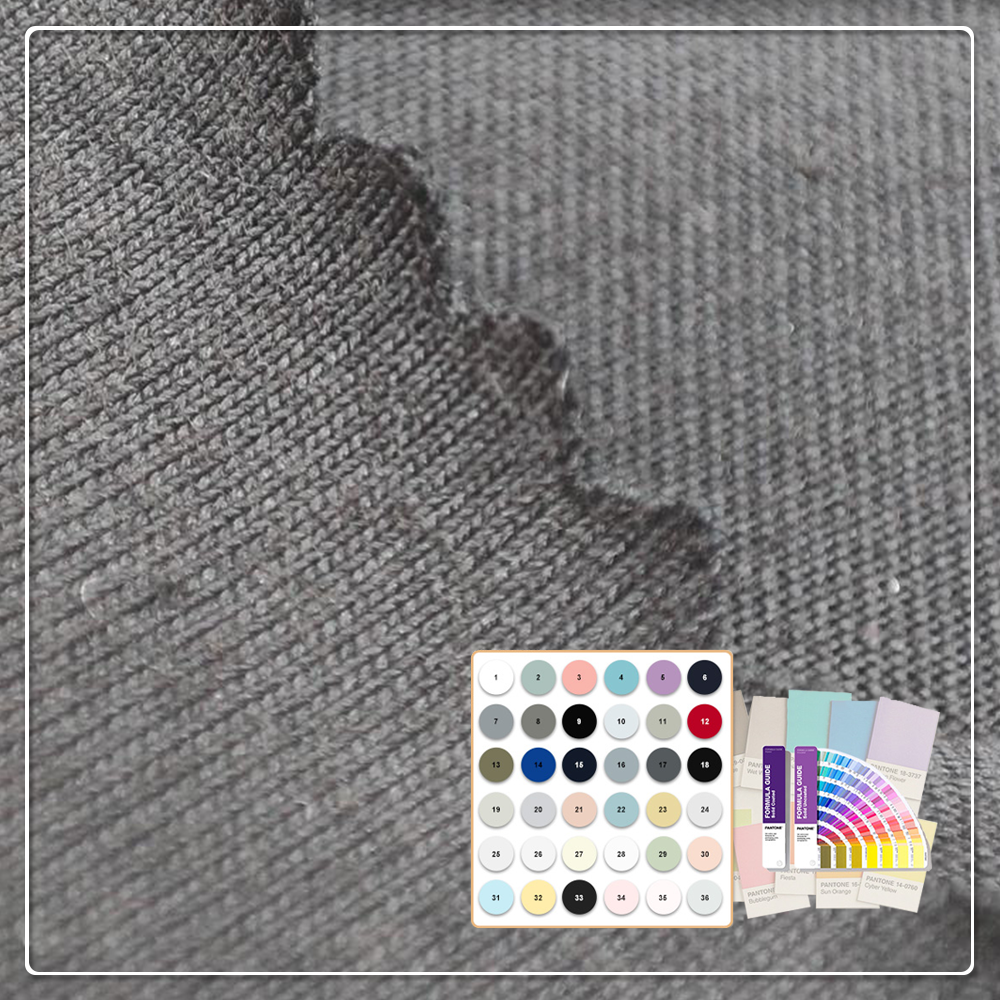
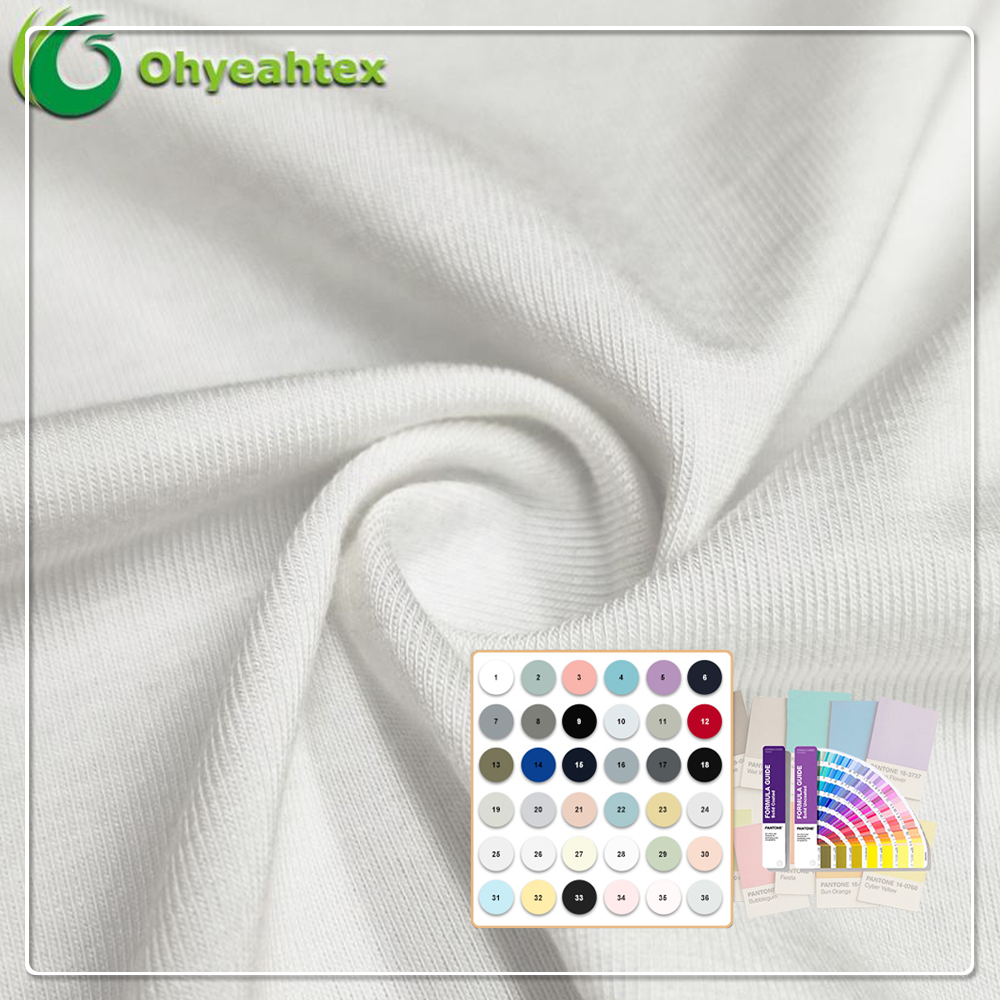
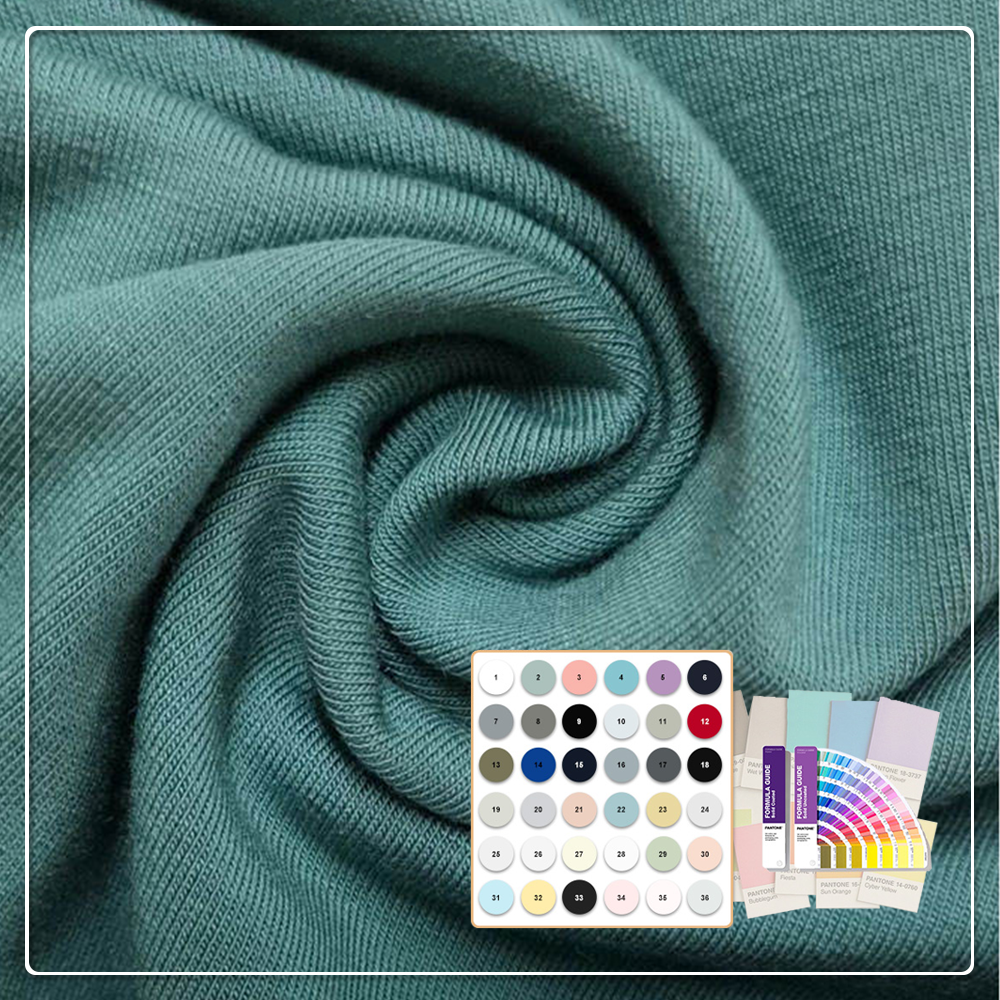
Specificationes principales materiae organicae pro textilibus pro vestris operibus
When evaluating organic fabric materials, key specifications to consider include:
Materia Compositio : Verify that the fabric is made from high-quality organic fibers, such as cotton, bamboo, or recycled polyester. Each material has unique properties affecting comfort, durability, and environmental impact.
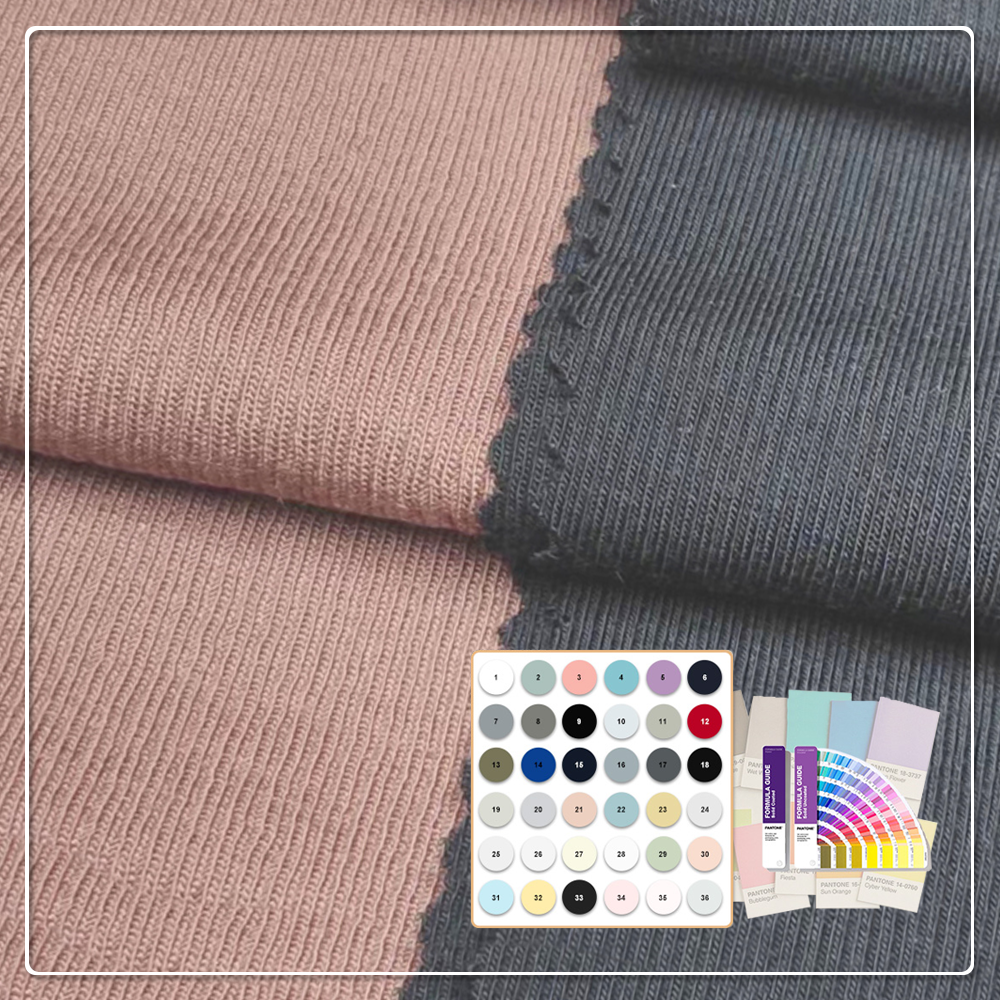
Coloris firmitas : A color fastness rating of level 4–5 is considered high and indicates that the colors will not easily fade or bleed. This is crucial for maintaining the aesthetic quality of the finished product.
Rationem Contractus : Fabrics with a shrinkage rate below 5% are ideal, as they will maintain their size and shape after washing. This is important for customer satisfaction and return rates.
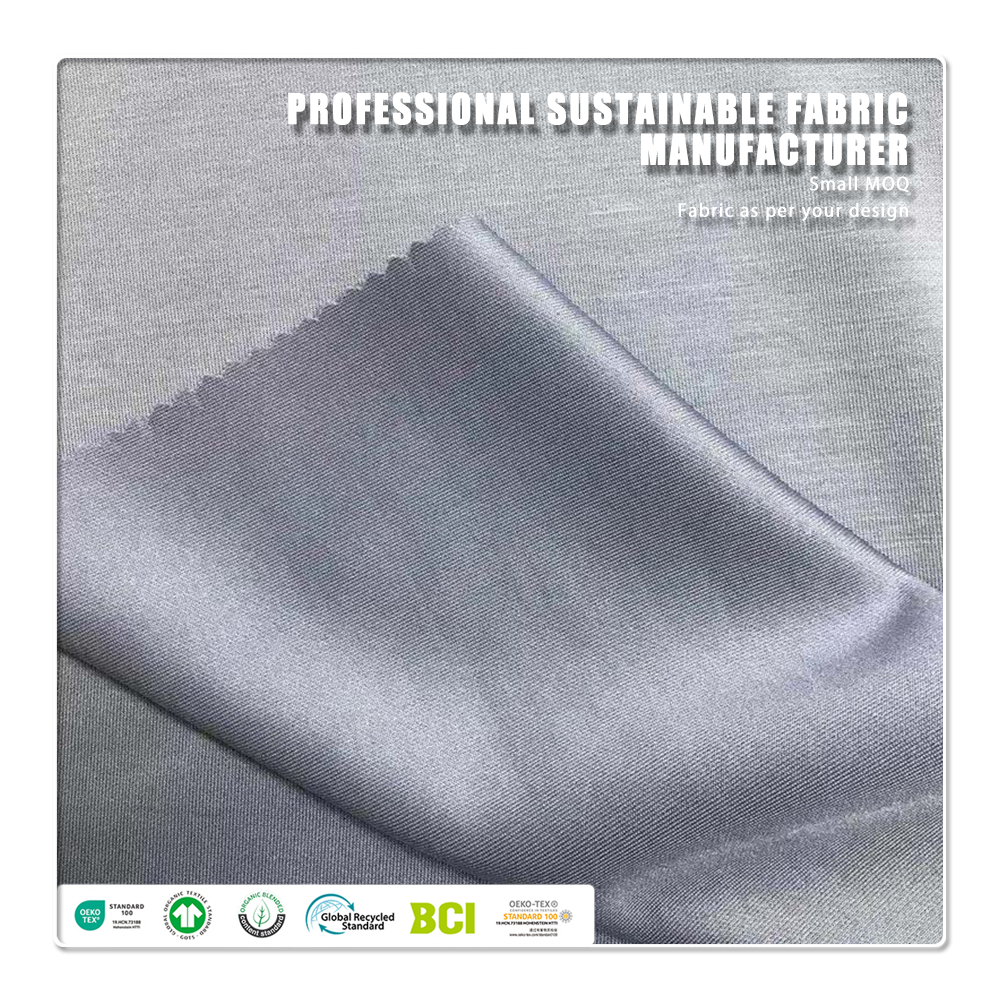
Certificatione standardibus : Look for certifications like OEKO-TEX, GOTS, and OCS (Organic Content Standard), which ensure the organic cotton fabric is free from harmful substances and produced sustainably.
Understanding these specifications will help ensure that the organic fabric materials you choose are suitable for your intended application and meet your quality requirements.