EN
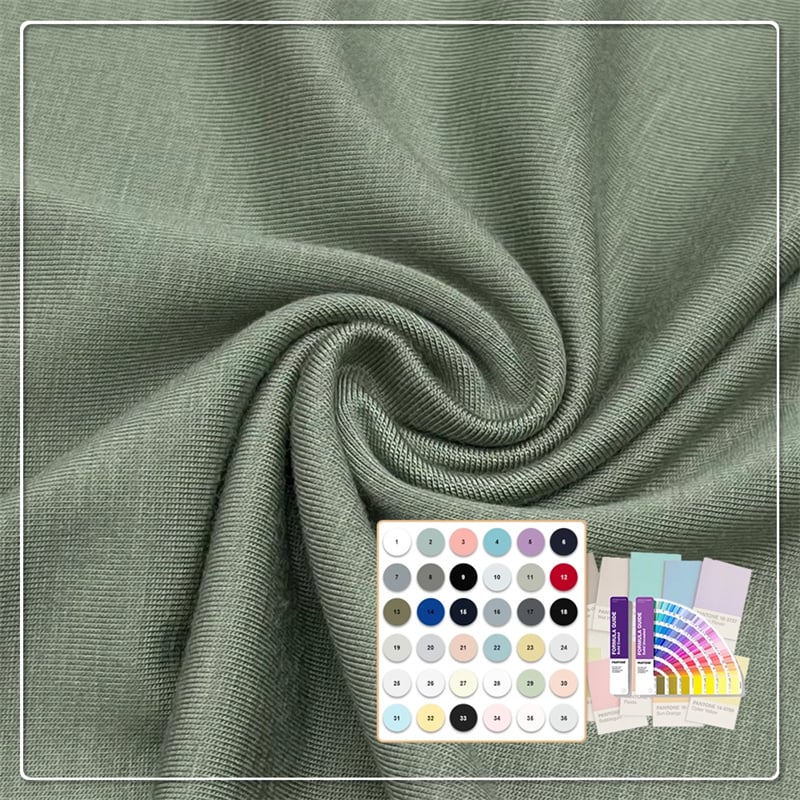
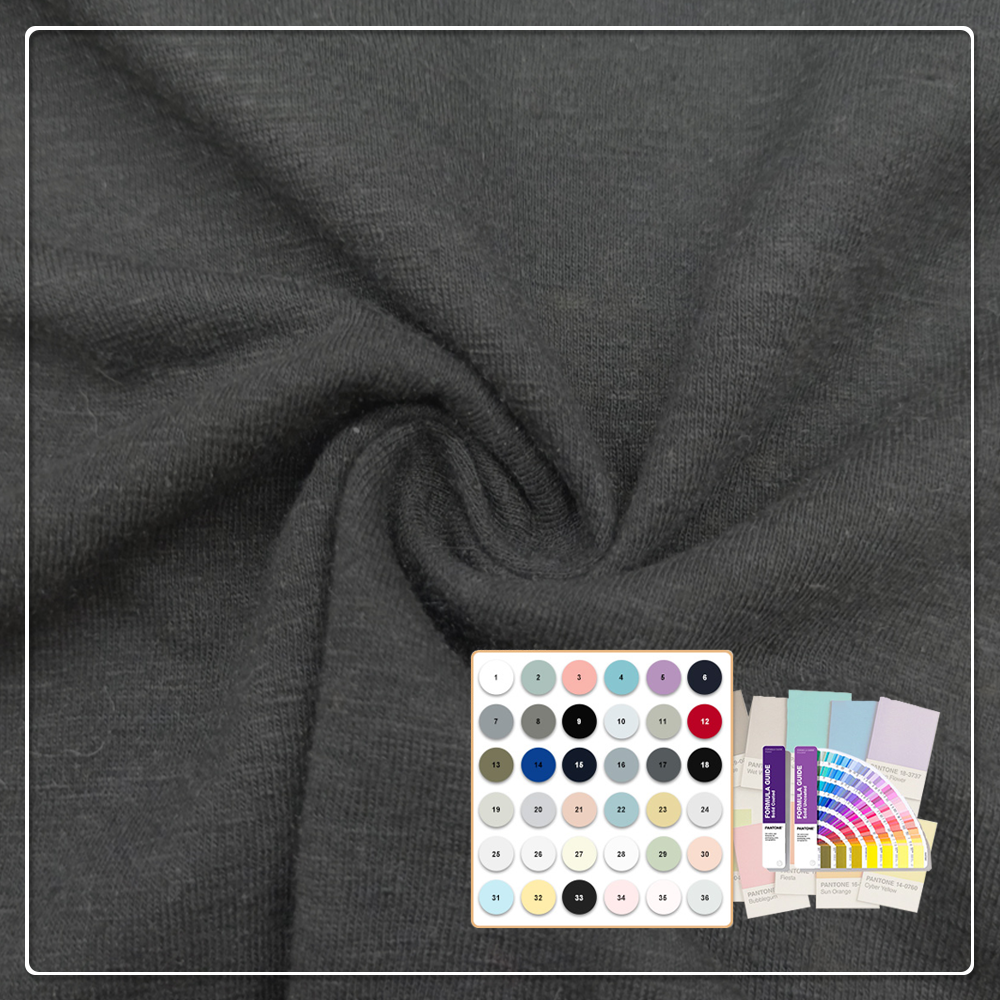
Sustainable viscose fabrics are increasingly popular in the textile industry due to their eco-friendly properties, derived from cellulose sources like wood pulp. As businesses prioritize sustainability of eco-friendly viscose, buyers in the manufacturing and textile sectors must ensure that the viscose they source meets specific environmental standards and quality requirements. This article will guide you through key considerations for sourcing sustainable Ohyeah materia Viscosa e bambusa , solving frequent problems, and describing its uses in multiple sectors.










Key Specifications for Buyers
Cost is always a major factor when buying sustainable viscose. Several elements affect the price:
Costae materiae primae : The cost of sustainably sourced raw materials may exceed that of conventional alternatives. Prices vary with market demand and supply, so staying updated on market trends is crucial.
Capacitas Productionis : A supplier’s manufacturing capacity directly impacts pricing. Firms equipped with advanced circular knitting machines and efficient production methods can often provide more competitive rates, thanks to their ability to produce Ohyeah textilis viscosa e bambusa factus in larger volumes and at lower costs.
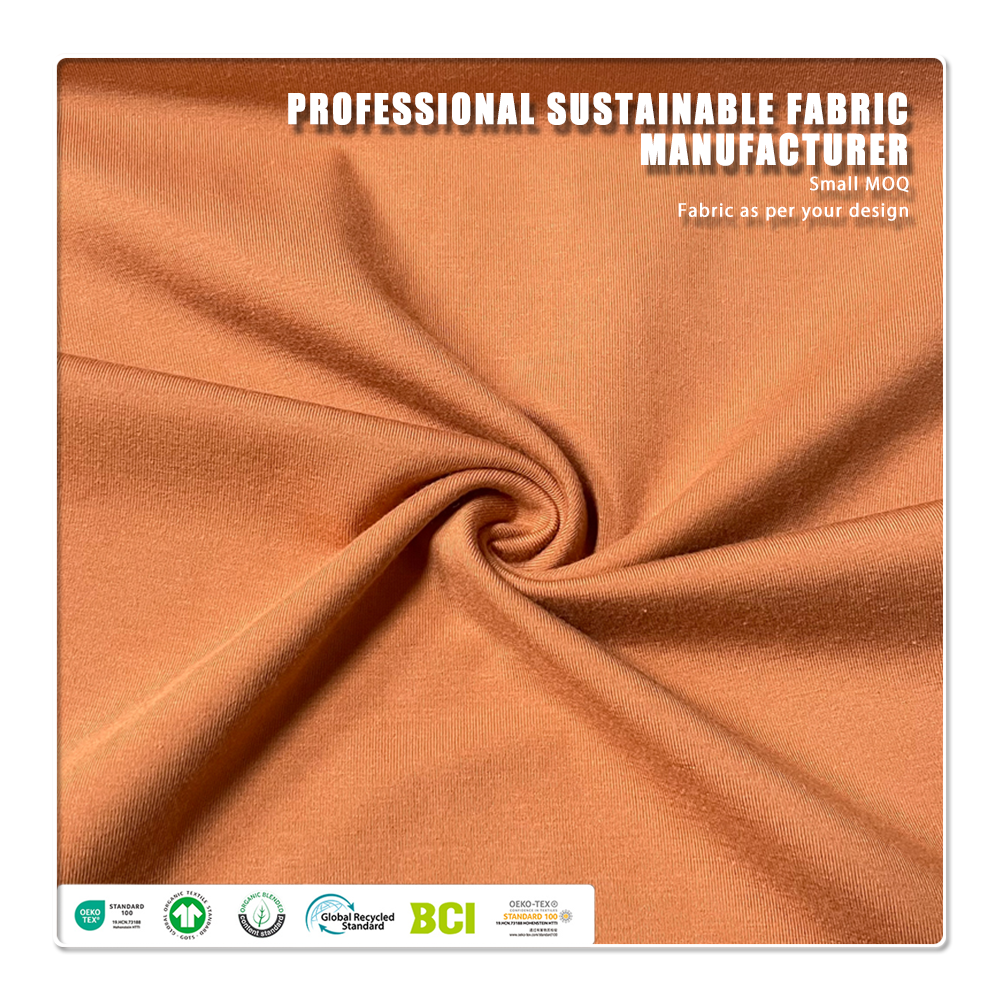
Customization and Order Quantity : Custom orders usually involve higher expenses due to extra processing and material procurement. Familiarity with certifications like OEKO-TEX helps buyers plan purchases effectively.
Navis et Logistica : Shipping costs can vary significantly depending on the destination and shipping method. Consider these costs when calculating the total expense of procurement.
Processus Custodiae Qualitatis : Suppliers that implement rigorous quality control processes may have higher upfront costs, but these practices can reduce the likelihood of defects and returns of eco-friendly viscose, ultimately leading to cost savings over time with a quality standards for fabrics.